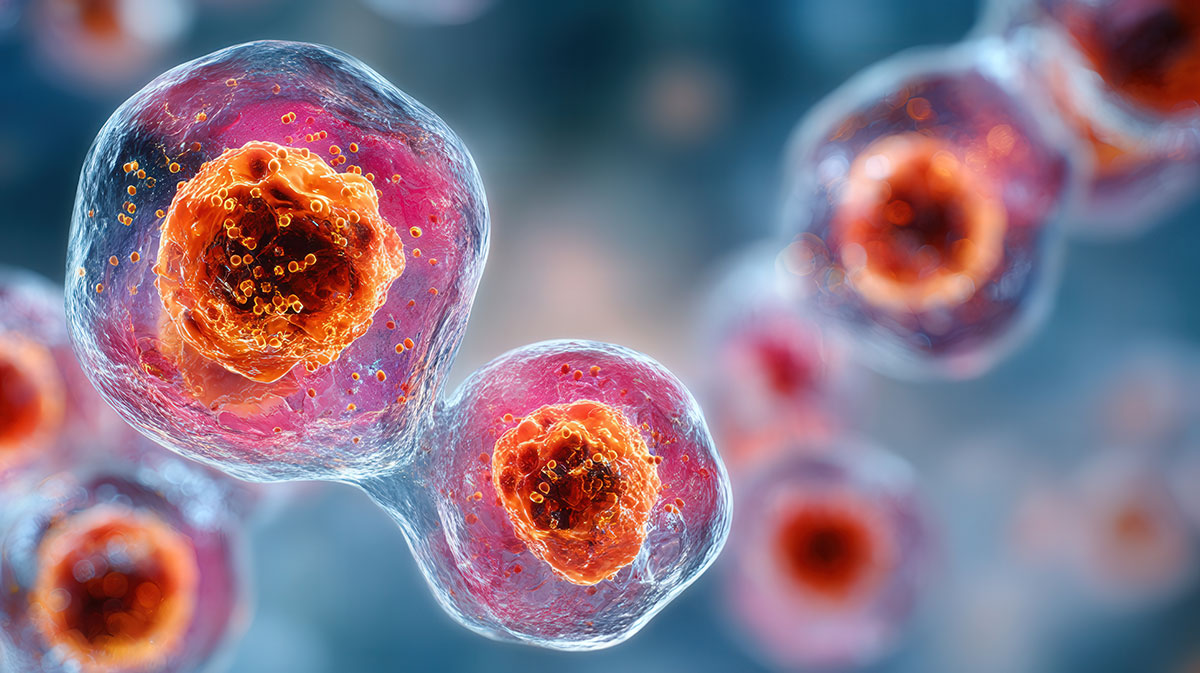
Understanding the Language of Immune Cells
When we think about communication, we usually picture people talking, texting, or sharing ideas. But inside the human body, a different kind of conversation is happening every second. Our immune cells are constantly sending messages to each other, coordinating how the body responds to injury, infection, or stress. These cellular conversations are essential for keeping us healthy.
As a researcher, I have always been fascinated by the way cells communicate. It reminds me of watching a well organized team on a soccer field. Every player has a role, and success depends on clear communication. The immune system works in a very similar way. Cells need to recognize a problem, send signals, take action, and know when to stop. When these conversations go well, inflammation stays controlled and tissues can repair themselves. When communication breaks down, disease can follow.
How Immune Cells Start the Conversation
Detecting the First Sign of Trouble
The immune response begins when cells sense that something is wrong. This could be a virus entering the lungs, bacteria getting into a cut, or tissue damaged by stress or toxins. Specialized immune cells called macrophages and dendritic cells act like sentinels. They patrol the body and immediately respond when they detect danger.
Once they recognize a threat, these cells send out molecular messages called cytokines. These cytokines work like alert signals. They tell nearby immune cells that help is needed. They also create changes in blood vessels so more immune cells can reach the affected area.
Calling in Reinforcements
Signals from the first responding cells attract other immune cells like neutrophils and T cells. Each of these has a unique function. Neutrophils help control early infections by attacking microbes. T cells, on the other hand, help guide the response and make sure it stays balanced.
This early communication is crucial. It determines how strong the inflammation will be and how long it will last. A quick and coordinated response can prevent a small issue from becoming a serious problem.
Keeping Inflammation Under Control
The Need for Balance
Inflammation is important, but too much of it can damage healthy tissue. I often think of it as using fire to cook food. A small, controlled flame is helpful, but a fire that burns out of control can cause harm.
Once the immediate threat is managed, immune cells begin shifting their conversation. Instead of sending signals that amplify inflammation, they start producing messages that calm it down. Regulatory T cells play an especially important role in this phase. They act like peacekeepers, reminding other cells to cool down their activity so the body can begin healing.
Clearing Away the Damage
Macrophages have an interesting role in this stage. Early in the response, they encourage inflammation. Later, they switch sides and help clean up damaged cells and debris. This change in behavior happens because they receive different signaling molecules from their environment. It shows just how dynamic and adaptable immune cell communication can be.
Signaling for Repair and Regeneration
Building the Path Toward Healing
After inflammation is under control, the immune system begins the process of rebuilding. Cells send signals that encourage tissue repair, promote new blood vessels, and support the growth of healthy cells.
Growth factors play a big part in this. They tell cells when to divide, when to move into damaged areas, and how to rebuild tissue structure. This is especially important in organs like the lungs, where delicate layers of cells must be repaired carefully. My research into lung injury has shown how disruptions in these signals can slow healing or lead to long-term damage.
The Role of Mitochondria and Cellular Stress
Cell communication is not limited to the immune system. Even within a single cell, structures like mitochondria send distress signals when they are not functioning properly. These signals can influence how the immune system responds. For example, mitochondrial stress in lung cells can contribute to inflammation and impair development in newborns with conditions like bronchopulmonary dysplasia.
Understanding these molecular messages helps researchers identify new targets for therapy. By supporting healthy communication, we can help tissues repair themselves more effectively.
When Conversations Break Down
What Happens in Chronic Disease
Sometimes the immune system’s communication becomes confused or misdirected. Signals may be too strong, too weak, or sent at the wrong time. This can lead to chronic inflammation, autoimmune disorders, or poor healing. For example, if inflammatory signals remain active for too long, the body can start damaging its own tissues.
In autoimmune diseases, immune cells misinterpret normal tissue as a threat. They send signals that trigger unnecessary inflammation, which leads to pain and damage. My work studying oxidative stress and immune regulation has shown how even small imbalances in signaling pathways can create large effects.
Learning From These Mistakes
The more we understand immune communication, the better we can design treatments that restore balance. Modern tools like flow cytometry and molecular profiling allow us to study thousands of cells at once and see how they respond to specific signals. These insights are helping scientists develop therapies that guide the immune system rather than simply trying to suppress it.
A Future Built on Better Communication
The immune system is a remarkable network built on constant conversation. These cellular messages allow the body to protect itself, repair damage, and maintain balance. When I study immune cells in the lab, I am always amazed by how coordinated their actions are, even without a central leader.
As research continues to reveal the language of immune cells, we gain the power to influence their conversations in meaningful ways. This knowledge offers hope for better treatments for inflammation, lung disease, autoimmune disorders, and many other conditions.
Understanding how cells talk to each other brings us one step closer to improving how the body heals itself. And for me, that is one of the most rewarding aspects of being a scientist.