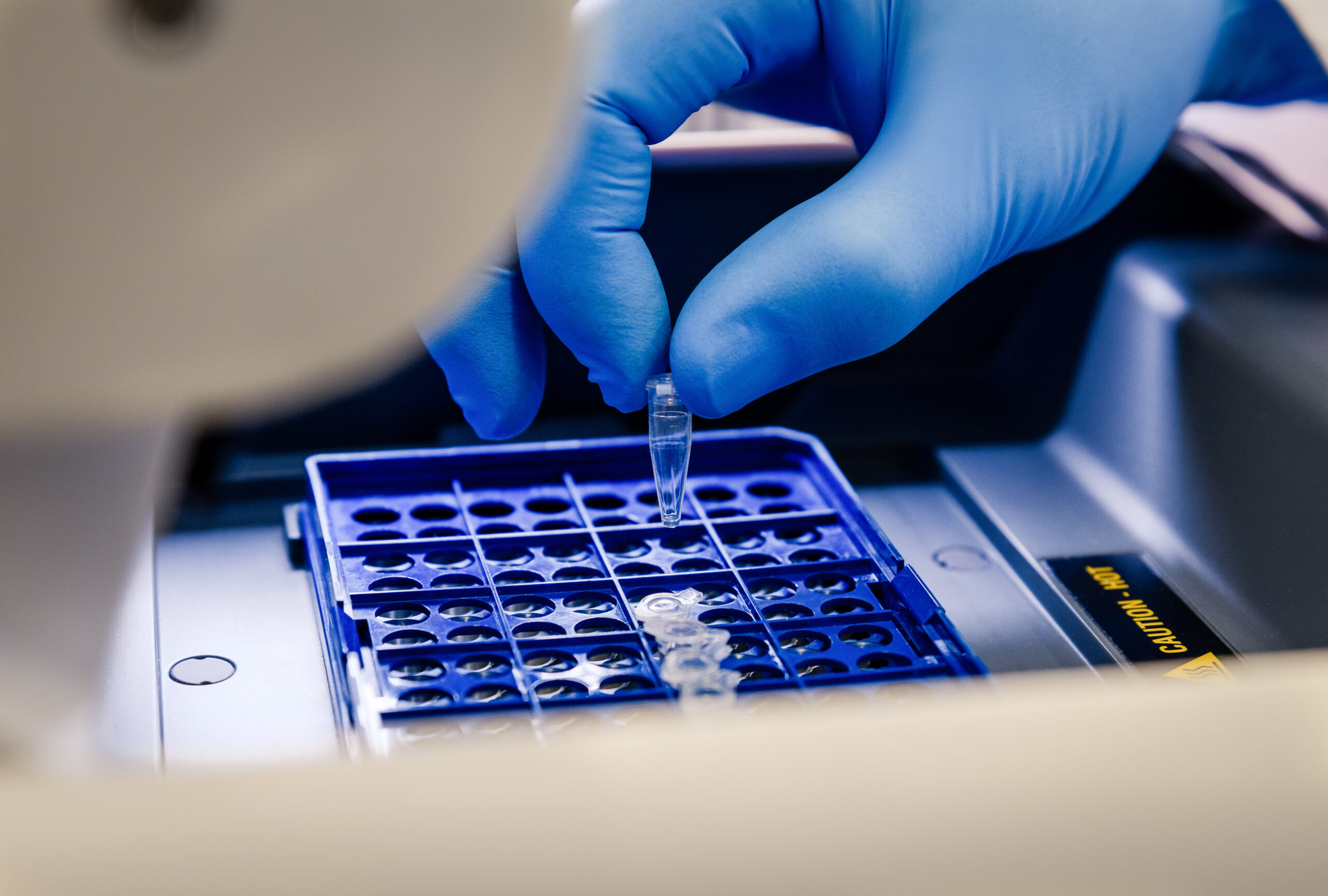
The Power of Integration in Modern Biomedical Science
Translational research has emerged as a cornerstone of modern biomedical science, bridging the gap between laboratory discovery and clinical application. This approach is particularly critical in immunology and pulmonology, where intricate cellular and molecular interactions govern health and disease. By integrating cell and molecular biology techniques, researchers can move beyond isolated observations to uncover actionable mechanisms that inform diagnostics, therapeutics, and patient care. Such integration is reshaping our understanding of immune responses, lung injury, and chronic respiratory diseases, including asthma, chronic obstructive pulmonary disease (COPD), and pulmonary fibrosis.
From Cells to Systems: The Foundation of Translational Discovery
Biological discovery begins at the cellular level. Techniques such as primary cell culture, organoid systems, and subcellular fractionation enable the isolation and interrogation of specific cell types and organelles, revealing where and how key molecular processes occur. In pulmonology, this granularity is essential because the lung comprises diverse epithelial, endothelial, stromal, and immune cell populations that must function in concert to maintain barrier integrity and immune defense.
Culturing lung epithelial cells or immune subsets under controlled conditions allows researchers to model disease-relevant environments, including inflammation, hypoxia, and viral infection. These systems facilitate precise dissection of molecular pathways governing immune signaling, epithelial repair, and tissue remodeling. Complementary molecular tools—such as quantitative PCR, Western blotting, and RNA/protein profiling—enable sensitive detection of gene and protein expression changes that accompany these cellular responses.
Linking Molecular Changes to Clinical Impact
A central aim of translational research is to connect molecular events with patient-level outcomes. Immunoassays, flow cytometry, and advanced protein analyses are pivotal in forging these links. Measuring cytokine and chemokine production by ELISA, or assessing immune cell phenotypes and activation states via flow cytometry, helps identify biomarkers associated with disease progression, severity, and therapeutic response.
In pulmonology, these approaches illuminate how immune cells respond to allergens, pollutants, and respiratory pathogens. They also reveal dysregulated signaling pathways that drive pathology, thereby highlighting potential therapeutic targets. When aligned with patient-derived samples and clinical metadata, laboratory findings contribute to an integrated disease framework that informs intervention strategies.
Harnessing Bioinformatics to Interpret Complex Data
The integration of bioinformatics into cell and molecular biology has revolutionized translational research. With the vast amount of data generated from modern experiments, from gene expression profiles to proteomic and metabolomic datasets, computational analysis has become essential for extracting meaningful insights.
Using advanced statistical and bioinformatic tools, researchers can identify patterns that would otherwise remain hidden. For example, they can detect gene networks associated with immune regulation or identify novel proteins involved in lung injury. These insights not only help explain disease mechanisms but also aid in predicting how certain patients might respond to different treatments.
The beauty of bioinformatics lies in its ability to connect small-scale molecular findings with large-scale biological systems. This integrative approach accelerates the translation of bench research into clinical innovation, ensuring that discoveries have a direct path toward improving patient outcomes.
The Importance of Collaboration Across Disciplines
Meaningful translational progress depends on collaboration across disciplines. Cell biologists, immunologists, pulmonologists, and data scientists each contribute distinct expertise that, when integrated, enables comprehensive investigation from mechanism to medicine. Collaborative efforts ensure that experimental hypotheses are grounded in clinical relevance and that laboratory discoveries are validated against patient outcomes.
For example, partnerships between basic scientists studying inflammatory signaling in lung cells and clinicians managing acute respiratory distress syndrome (ARDS) can determine whether laboratory-identified biomarkers correlate with disease trajectory and treatment response. Such collaborations keep research focused on real-world impact.
Toward Precision Medicine in Immunology and Pulmonology
As the integration of cell and molecular biology continues to evolve, the future of immunology and pulmonology research is moving toward precision medicine. By understanding the molecular underpinnings of disease at an individual level, scientists can help develop therapies that are tailored to each patient’s biological profile.
For example, two patients with similar respiratory symptoms might have entirely different immune signatures driving their illness. With advanced cell-based assays, molecular profiling, and computational analysis, we can identify these differences and choose therapies that target the specific pathways involved. This personalized approach has the potential to transform the way we treat chronic lung diseases and immune-related conditions.
A Unified Vision for Health Innovation
Integrating cell and molecular biology techniques extends beyond combining tools; it reflects a unified scientific vision that prioritizes translation from discovery to healing. In immunology and pulmonology, this integration empowers researchers to elucidate disease mechanisms, identify novel therapeutic targets, and deliver more effective, patient-centered treatments.
By linking molecular precision with clinical relevance, translational research illuminates the path from bench to bedside. As this integration continues to evolve, it will play a decisive role in advancing biomedical innovation and improving human health.